
When Is the Best Time to Buy an Off-Grid Property in Spain?
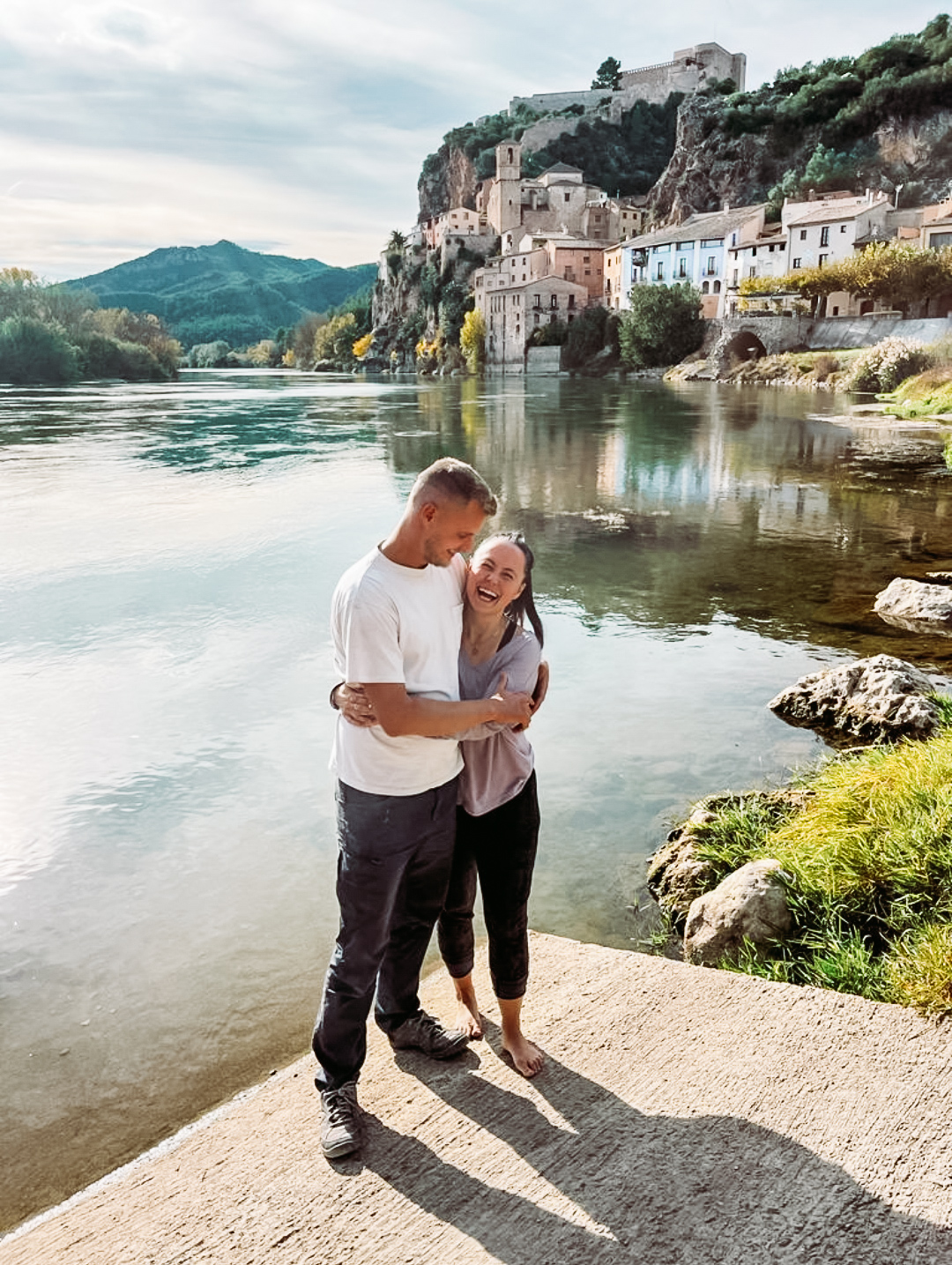
Dreaming of escaping the rat race and finding your own slice of freedom in the Spanish countryside? Discover the best time of year to buy an off-grid home in Spain, what to look for when viewing rural properties, and how to find a finca that's right for your lifestyle.

Imagine waking up to the sound of birds instead of traffic. Collecting eggs from your own chickens. Growing fresh vegetables in the sunshine. Generating your own electricity and spending more time connected to nature.
For many people, buying an off-grid property in Spain represents more than a house purchase. It's a chance to create a different way of life — one with more freedom, greater self-sufficiency and, potentially, fewer monthly bills.
But when is the best time to buy?
Should you start searching in spring, when the countryside bursts into life? Wait until autumn, when the summer heat begins to fade? Or hold off until winter, hoping to find a seller who's ready to negotiate?
The truth is that there isn't one magical month when every rural property becomes cheaper. However, different seasons offer different advantages, particularly when you're buying a finca, farmhouse, smallholding or property that you want to make more self-sufficient.
At Off Grid Only, we've experienced rural living in Spain first-hand. After moving from the UK to a 36-acre off-grid olive farm in 2018, we learned that finding the right property involves much more than falling in love with a beautiful view.
Here's what we'd consider before deciding when to buy your dream off-grid home in Spain.
Is There a Best Month to Buy Property in Spain?
Let's start with the big question.
You might have heard that December is the best time to negotiate, January is ideal for starting afresh, or August is when sellers are most desperate to accept a lower offer.
While individual sellers may be more flexible at certain times of the year, there is no reliable, nationwide rule that makes one particular month the cheapest for buying property in Spain.
Property prices are influenced by factors such as location, demand, the condition of the property, local supply and the seller's circumstances.
And when you're looking for an off-grid or rural home, the differences between individual properties can be enormous.
A secluded finca with a reliable water supply, a functioning solar system and legally registered buildings may attract very different buyers from a remote farmhouse requiring extensive renovation.
Our advice? Don't wait for a mythical bargain month. Focus on finding the right property, understanding its true costs and being prepared to act when a good opportunity appears.
That said, the seasons can make a real difference to your property search.
Buying an Off-Grid Property in Spain in Spring
March to May: Our favourite season for exploring the countryside
Spring is an excellent time to start viewing rural properties across much of Spain.
Temperatures are often more comfortable than during the height of summer, the countryside begins to flourish, and you can get a better feel for the land around a property.
If you're dreaming of creating a self-sufficient homestead, this is a particularly useful time to explore.
Why spring can be a great time to buy
See the land coming to life
Fields, orchards and gardens begin to show signs of growth. You may be able to assess existing fruit trees, planting areas and the general condition of the land more easily than during the driest part of the year.
Explore your growing potential
If you want to grow vegetables, plant an orchard or keep animals, spring is a good time to start thinking about how the land might work for you.
Look at the soil, slopes, exposure to sunlight and available space. Remember that suitability also depends on local climate, water availability and any applicable restrictions.
Enjoy more comfortable property viewings
Exploring several rural properties can involve long drives, walking across land and inspecting outbuildings. Comfortable weather makes this process more enjoyable.
Start planning renovations and improvements
If you're hoping to install solar panels, improve water storage or renovate a farmhouse, spring can be a useful time to assess the work involved and start speaking to relevant professionals.
What should you watch out for?
Spring can make a property look particularly attractive, but don't let lush grass and beautiful flowers distract you from the practical details.
Ask about water availability during the summer, especially if the property relies on rainwater, a well or a borehole.
A property that looks green and productive in April may have very different conditions in August.
Check the legal status of buildings, investigate access rights and establish what
renovations or installations are permitted before committing.
Off Grid Only tip: If you can, ask the seller how the property performs during the hottest and driest months of the year. That's when you may discover the realities of its water supply, shade and energy requirements.
Buying an Off-Grid Property in Spain in Summer
June to August: Test the property in the heat
Summer can be a useful time to view properties, particularly if you're considering living in Spain throughout the year rather than using your finca as a holiday home.
However, high temperatures can make rural property viewings challenging, especially in inland areas and southern Spain.
Why summer can be a good time to buy
Understand the heat
A property that feels comfortable during spring may become extremely hot in summer.
Pay attention to the orientation of the house, natural shade, ventilation, insulation and the condition of windows and doors.
Ask how the property is cooled and how much electricity cooling systems require.
If you're planning to run your home primarily on solar power, summer energy production may be strong, but your electricity consumption can also rise significantly.
Investigate water availability
Summer is an important reminder that water is one of the most valuable resources on a rural property.
Find out whether the water supply is reliable during dry periods, what storage capacity is available and whether the existing supply meets your needs.
If the property has a well or borehole, investigate its legal status and any required authorisations rather than assuming it can be used without restrictions.
Experience the area during the busy season
If you're considering a coastal property, summer can reveal how busy the area becomes, how much traffic there is and whether the surrounding environment suits your preferred lifestyle.
For some people, a lively community is a bonus. Others are searching for peace and quiet.
What about buying in August?
August is a particularly important month to plan around in Spain.
Many businesses and professional offices operate with reduced availability during the summer holiday period. Notary appointments, banking processes and administrative matters can be harder to coordinate.
This doesn't mean you cannot buy property in August. It simply means that a transaction requiring several people and organisations to coordinate may take more planning.
If you're hoping to complete a purchase, speak to your lawyer and bank early to check their availability.
And remember, quieter market activity doesn't automatically mean lower property prices.
Off Grid Only tip: If possible, view a property during the hottest part of the year or ask for evidence of how its water and energy systems perform in summer. The realities of rural living are easier to understand when you look beyond the photographs.
Buying an Off-Grid Property in Spain in Autumn
September to November: A brilliant time to explore your options
Autumn is another excellent season for viewing rural properties.
Temperatures often become more comfortable, the summer crowds begin to ease in many areas, and the countryside takes on a different character.
For anyone considering a finca, farmhouse or homestead, autumn can also be a useful time to think about rainfall, harvesting and preparing the land for winter.
Why autumn can be a good time to buy
Get a more realistic feel for everyday life
If you're buying a property to live in all year, you want to understand what the area feels like outside the main tourist season.
Are local shops open? Is the community active throughout the year? How far away are schools, healthcare services and other essentials?
These details can make a big difference when you move from holiday dreaming to everyday rural living.
Explore the land and existing trees
Depending on the region, autumn can be an important season for harvesting olives, nuts, grapes and other crops.
If you're looking at an established finca, ask what the land produces, how it has been managed and what work is required throughout the year.
Plan your future growing season
Autumn can be a good time to investigate soil preparation, planting opportunities and the practical requirements of establishing an orchard or vegetable garden.
If you plan to plant fruit and nut trees, research varieties suited to the local climate and water availability.
Potentially negotiate with individual sellers
Some sellers may be more flexible if their circumstances have changed or a property has been on the market for a while.
However, this depends on the individual property and seller. Autumn isn't automatically a cheaper time to buy.
What should you watch out for?
Autumn is a good time to investigate how the property handles changing weather conditions.
Ask about drainage, roof condition, access roads and any history of flooding or storm damage.
For remote properties, consider whether access remains practical during periods of heavy rain.
If you're buying land with a water collection system, ask how rainwater is collected and stored, and whether the system is suitable for your intended use.
Off Grid Only tip: Don't just ask how much rain a property receives. Ask how it collects, stores and uses that water. The design and capacity of the system matter just as much as the rainfall itself.
Buying an Off-Grid Property in Spain in Winter
December to February: Look beyond the summer sunshine
Winter might not seem like the obvious time to buy a home in Spain, particularly if you're dreaming of outdoor living and endless sunshine.
But winter viewings can reveal things that are easy to overlook during warmer months.
If your goal is to live in your property year-round, this can be one of the most informative times to explore.
Why winter can be a good time to buy
Discover how the house performs in cold weather
Spain isn't warm everywhere all year round.
Inland areas, mountainous regions and parts of northern Spain can experience cold winters, frost and even snow.
Check the insulation, windows, roof, heating system and the overall condition of the building.
A beautiful stone farmhouse may have plenty of character, but older buildings can require improvements to keep them comfortable and energy-efficient.
Assess solar energy realistically
Solar panels can generate electricity throughout the year, but production varies with daylight hours, weather, shading and system design.
If you're planning to rely on solar power, investigate how the system performs during winter and whether battery storage is sufficient for your needs.
Ask the seller for details of the installation, including its capacity, age, condition and any available performance records.
Inspect access and drainage
Winter weather can reveal issues with muddy tracks, poor drainage, leaks and damp.
For a remote finca, check whether the access road is suitable for your vehicle and whether you can reach the property safely in adverse weather.
Potentially find a motivated seller
Some sellers may be keen to complete a transaction before the end of the year or during the quieter winter period.
But motivation varies from seller to seller. Don't assume that every property will be cheaper simply because it's winter.
What should you watch out for?
Winter viewings are particularly useful for identifying maintenance issues, but one viewing won't tell you everything.
Ask about summer temperatures, water availability, wildfire risk where relevant and the property's performance during different seasons.
A home that feels warm in winter may become uncomfortable in summer without adequate shading or ventilation.
Off Grid Only tip: If you're considering a hybrid or fully off-grid home, ask for a realistic breakdown of energy consumption across the year, not just the system's advertised capacity.
So, When Is the Best Time to Buy an Off-Grid Property in Spain?
The answer depends on what matters most to you.
Here's a quick guide to help you decide when to start viewing.
Season | Best for | What to investigate |
Spring | Exploring land, gardens and growing potential | Summer water supply and planting conditions |
Summer | Understanding heat and seasonal living | Water reliability, shade and cooling requirements |
Autumn | Exploring rural communities and land management | Drainage, rainfall and year-round accessibility |
Winter | Testing the property's comfort and infrastructure | Insulation, solar performance and heating requirements |
If you're just beginning your search, spring and autumn can offer comfortable conditions for exploring rural properties.
However, the most useful time to view a particular property may be the season that reveals its biggest challenges.
If water availability is your main concern, summer may be especially informative. If you're worried about damp, drainage or access, winter weather can reveal problems that might otherwise go unnoticed.
Ideally, visit at different times of the year before committing to a property, particularly if you're planning to live there permanently.
And don't forget: the right property at the right price, with the right legal status and infrastructure, matters far more than finding a supposedly perfect month to buy.
The Off-Grid Property Checks That Matter More Than Timing
We know how tempting it is to focus on the search itself — the beautiful listings, the mountain views and the thought of finally having your own land.
But before you make an offer, there are several things we recommend investigating.
1. Water Supply
Does the property have mains water, a well, a borehole, rainwater collection or a combination of systems?
Ask how reliable the supply is, what storage capacity is available and whether any repairs are needed.
If you plan to rely on a well or borehole, check its legal status and the requirements for using it.
2. Electricity and Solar Systems
Does the property have mains electricity, solar panels, batteries or a hybrid system?
Ask for details of the installation and establish what you'll need to change to meet your household's energy requirements.
If you're aiming to become fully off-grid, understand the costs of any additional equipment and whether the system will meet your needs throughout the year.
3. Legal Status of Buildings
Rural properties can include old farmhouses, barns, workshops and other structures.
Don't assume that everything you see is registered or authorised for its current use.
Ask your independent lawyer to investigate the legal status of the buildings and any proposed renovations.
4. Access and Location
A remote property may offer the peace and privacy you're looking for, but consider how you'll reach it in different weather conditions.
Check road access, maintenance responsibilities, distance to essential services and mobile connectivity.
If you work online, reliable internet access should be part of your property checklist.
5. The Total Cost of Ownership
The purchase price is only the beginning.
Allow for taxes, legal fees, renovations, ongoing maintenance and any improvements needed to the water or energy systems.
If you're planning to create a productive homestead, budget for fencing, tools, irrigation, trees, animal housing and other equipment.
A cheaper property isn't necessarily the better investment if it needs extensive work or doesn't support your intended lifestyle.
6. Planning Restrictions
Before buying, establish what you're legally allowed to do with the land.
If your plans include extending a house, converting a barn, adding accommodation, installing equipment or drilling a borehole, investigate the relevant rules and permissions.
Your dream of self-sufficiency deserves a solid legal foundation.
Our Experience: Why Finding the Right Property Matters More Than the Perfect Month
In 2018, we left the UK and bought a 36-acre off-grid olive farm in Spain.
At the time, we were looking for a different way of life. We wanted to escape the financial pressure of the rat race, reconnect with nature and build something more self-sufficient for our family.
We spent six years living off-grid, learning how to manage our solar system, work with limited water, keep animals and grow an online business to support our lifestyle.
We started with an older lead-acid battery system before upgrading to lithium. We collected rainwater, relied on water deliveries when necessary and learned to make the most of the resources available to us.
It wasn't always easy, but it taught us so much about what it really takes to live more independently.
In 2024, we moved to a smaller property near our favourite beach. It's a hybrid home with mains connections, a basic solar system and a borehole we're working to restore.
We're renovating the property, growing vegetables, keeping animals and planting more than 150 fruit and nut trees.
Our current home doesn't have to become completely off-grid overnight. We're developing our systems over time, building greater self-sufficiency while keeping essential backup options available.
And that's something we'd love more people to understand.
Off-grid living isn't an all-or-nothing decision.
You don't necessarily need hundreds of acres, a huge solar installation or a completely remote location to start building a more independent life.
The right property might be a small finca with a productive garden, a farmhouse with a reliable water supply, or a hybrid home where you can gradually develop your own systems.
What matters is finding a property that suits your family, budget, priorities and long-term plans.
That's why we encourage buyers to look beyond the photographs and consider how a property will actually work in everyday life.
Find Your Dream Off-Grid Property in Spain with Off Grid Only
At Off Grid Only, our mission is to help more people find properties that support a more independent, nature-connected lifestyle.
Whether you're searching for a remote finca, a rural farmhouse, a smallholding or a hybrid home with the potential to become more self-sufficient, we're here to help you explore the possibilities.
Our platform connects buyers and sellers of off-grid, semi-off-grid and rural properties, with listings that highlight the features that matter to this way of life.
Instead of focusing only on bedrooms and square metres, you can explore the details that help you assess a property's potential, including land, water systems, solar installations and outbuildings.
And if you're selling a rural property, Off Grid Only gives you a place to reach people who are actively looking for this type of lifestyle.
Ready to start your search?
Explore Off Grid Only and discover rural properties in Spain that could be the starting point for your next chapter.
Because the best time to start building a more independent life might be sooner than you think.
Stay wild,
Stay free,
Georgia


Comments